




By Sandra Chukwunyere
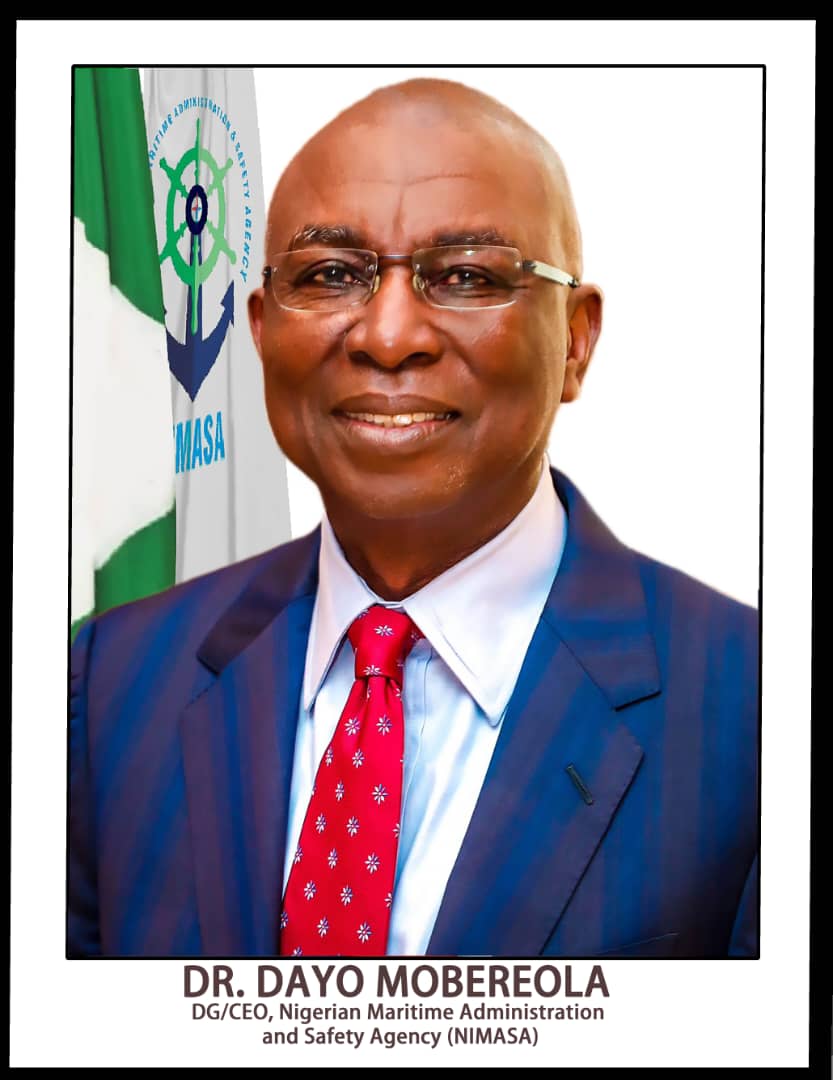
The Nigerian Maritime Administration and Safety Agency (NIMASA) has reaffirmed its commitment to improving the welfare, safety and career development of Nigerian seafarers, announcing a wage increase of over 150 per cent while revealing that 2,459 cadets have been trained under its Nigerian Seafarers Development Programme (NSDP).
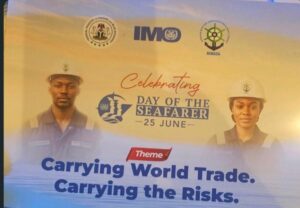
Speaking during the 2026 Day of the Seafarer celebration held in Lagos on Thursday, the Director-General of NIMASA, Dr. Dayo Mobereola, said the agency has intensified efforts to make Nigerian seafarers more competitive in the global maritime industry through training, stronger regulatory compliance and improved welfare packages.
According to him, 2,459 Nigerian cadets have so far benefited from the NSDP, while many others are still undergoing training in reputable maritime institutions across the world.
Mobereola also announced a major improvement in the earnings of Nigerian seafarers following the adoption of the International Transport Workers’ Federation (ITF) and International Labour Organisation (ILO) international wage scale by the National Joint Industrial Council (NJIC). He said the development has resulted in a wage increase of more than 150 per cent for Nigerian seafarers.
Describing the annual Day of the Seafarer as an opportunity to celebrate the dedication and sacrifices of maritime professionals, Mobereola said the 2026 theme, “Carrying World Trade, Carrying the Risk,” aptly reflects the enormous responsibility and dangers associated with life at sea.
He noted that more than 80 per cent of global trade by volume and over 70 per cent by value is transported by sea, with about two million seafarers worldwide ensuring the smooth movement of goods across international waters.
Beyond transporting cargo, he said, seafarers contend with harsh weather conditions, evolving security threats, demanding working environments and prolonged separation from their families while keeping global supply chains running.
Mobereola stressed that NIMASA’s commitment to seafarers goes beyond regulatory responsibilities, describing it as both a strategic necessity and a moral obligation. He said the agency remains focused on expanding training opportunities, improving certification, creating more sea-time placements and ensuring full compliance with the Maritime Labour Convention (MLC), 2006 to guarantee decent working conditions for seafarers.
He also called for stronger collaboration among governments, maritime administrations, shipowners, employers, training institutions, labour unions and other stakeholders to build a maritime ecosystem that prioritises safety, dignity, inclusion, wellbeing and professional excellence.
“Today’s celebration is not only a recognition of our seafarers’ invaluable contributions but also a renewed commitment to ensuring that every seafarer is respected, protected, fairly treated and empowered to achieve their full potential,” he said.
Also speaking at the event, Chairman of the Senate Committee on Marine Transport, Senator Wasiu Eshinlokun-Sanni, assured stakeholders of the National Assembly’s continued support for policies and legislation aimed at strengthening Nigeria’s maritime industry.
He said the Senate would continue to back initiatives that improve maritime safety and security, modernise port infrastructure, strengthen indigenous shipping capacity, advance the blue economy and create more employment opportunities for Nigerian maritime professionals.
The senator also stressed the need for sustained investment in maritime education, certification and skills development to enable Nigerian seafarers to compete favourably in the international labour market.
He urged government agencies, shipping companies, labour unions and other stakeholders to renew their commitment to providing decent working conditions, fair treatment, quality training opportunities and comprehensive welfare support for seafarers.
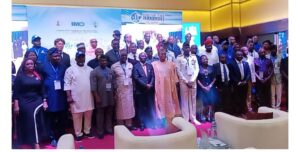
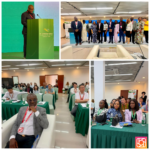
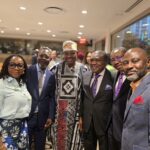
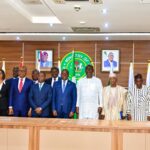
The event drew maritime regulators, shipping companies, labour representatives, industry stakeholders and seafarers, who renewed their commitment to strengthening the welfare and professional development of Nigerian seafarers while celebrating their invaluable contribution to global trade and economic development.