






By Sandra Chukwunyere
Nigeria has exceeded the Abuja Memorandum of Understanding (Abuja MoU) benchmark for Port State Control (PSC) inspections, recording 917 vessel inspections in 2025 with an inspection rate of 23.5 per cent, well above the regional minimum target of 15 per cent.
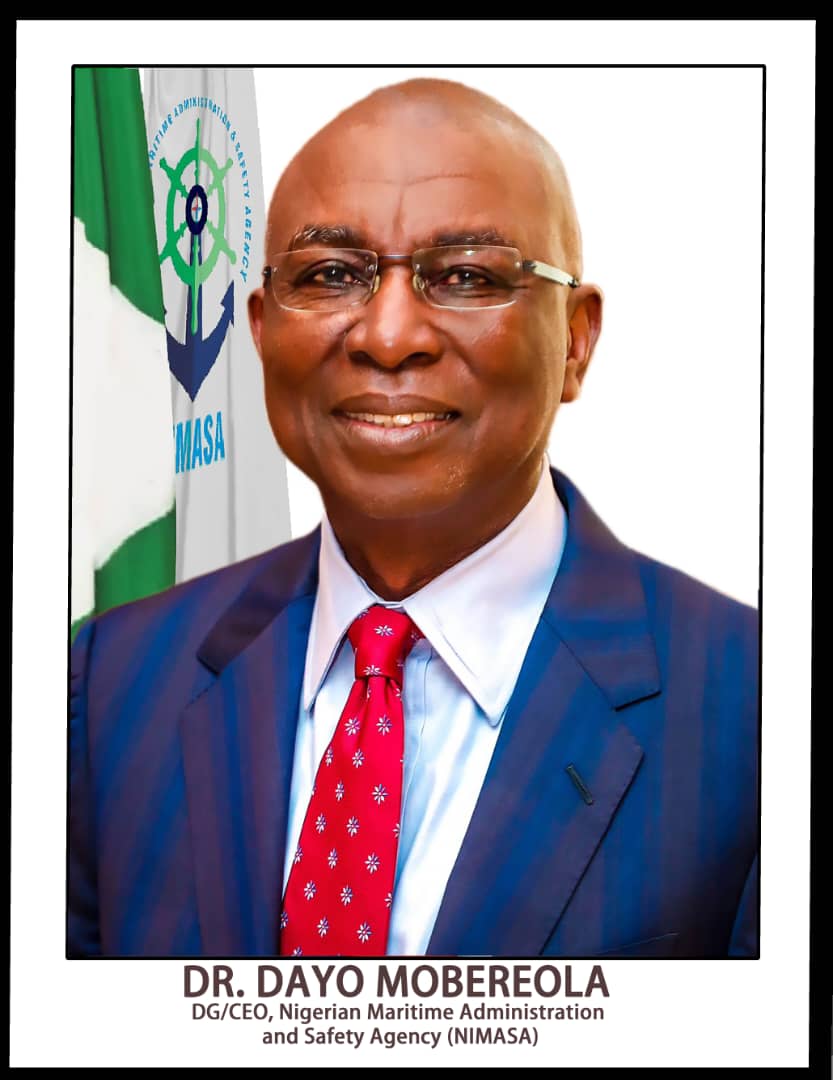
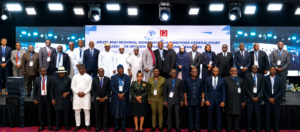
The Director-General of the Nigerian Maritime Administration and Safety Agency (NIMASA),Dr.Dayo Mobereola , disclosed this on Monday at the Abuja MoU Regional Workshop for Directors-General and Chief Executive Officers of Maritime Administrations in Lagos.
Mobereola said the achievement demonstrates Nigeria’s unwavering commitment to promoting maritime safety, enforcing international shipping standards, protecting the marine environment and eliminating substandard vessels from its waters.
He welcomed delegates from Abuja MoU member states to Lagos, describing the workshop as an important platform for Directors-General, Chief Executive Officers, Heads of Port State Control and maritime regulators to strengthen regional cooperation and enhance maritime governance.
The NIMASA Director-General paid tribute to the Honourable Minister of Marine and Blue Economy, Adegboyega Oyetola, for his visionary leadership in advancing Nigeria’s marine and blue economy agenda. He also acknowledged the Chairman of the Abuja MoU and Minister of Transport of The Gambia, Hon. Ebrima Sillah, for his commitment to regional maritime cooperation.
According to him, the workshop marks the commencement of the five-year Port State Control Capacity-Building Programme, jointly supported by the Lloyd’s Register Foundation and the Abuja Memorandum of Understanding, describing the initiative as a strategic investment in human capacity development, institutional effectiveness and regulatory excellence across West and Central Africa.
Mobereola commended the Secretary-General of the Abuja MoU, Captain Sunday Umoren, for his leadership in securing the partnership that made the programme possible.
Speaking on the workshop theme, “A Future-Ready Port State Control Regime: Leadership, People, Governance, and Performance for Safer Maritime Systems,” he said the maritime industry must continue to adapt to emerging challenges, including digital transformation, decarbonisation and evolving international regulations.
He noted that effective Port State Control remains fundamental to maritime safety, environmental protection and fair competition, stressing that stronger inspection regimes are essential to ensuring compliance with international maritime conventions.
While acknowledging the progress made by the region, Mobereola observed that only 16 of the 22 Abuja MoU member states currently conduct regular Port State Control inspections, underscoring the need for increased investment in human capacity, inspector competence, institutional development and regional collaboration.
He said discussions during the workshop on leadership, governance, inspector competency, digital transformation, performance management and gender inclusion would further strengthen maritime institutions and improve cooperation among member states.
“The Abuja MoU derives its strength from our collective commitment. By sharing knowledge, building capacity and embracing best practices, we can continue to raise maritime safety standards across our region,” he said.
Mobereola expressed confidence that the workshop and the newly launched capacity-building programme would contribute significantly to safer shipping, stronger maritime institutions and more effective maritime governance throughout West and Central Africa.