





By Sandra Chukwunyere
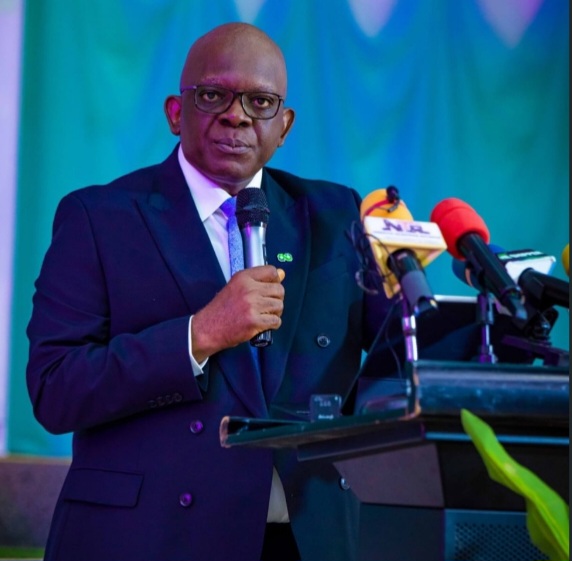
The Executive Secretary and Chief Executive Officer of the Nigerian Shippers’ Council (NSC), Dr. Akutah Pius Ukeyima, has called for stronger regional collaboration, harmonised inspection standards and sustained capacity-building to enhance maritime safety, improve trade facilitation and unlock the full benefits of the African Continental Free Trade Area (AfCFTA).
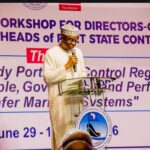
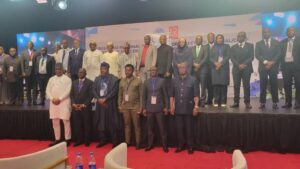
Ukeyima made the call on Monday during the Abuja Memorandum of Understanding (Abuja MoU) Regional Workshop for Directors-General and Chief Executive Officers of Maritime Administrations in Lagos.
He described the workshop, themed “A Future-Ready Port State Control Regime: Leadership, People, Governance, and Performance for Safer Maritime Systems,” as timely and relevant, saying effective leadership remains the cornerstone of strong and sustainable maritime institutions.
According to him, while sound regulations and technological innovation are essential to the growth of the maritime sector, lasting reforms can only be achieved through visionary leadership, collaboration and strong institutional commitment.
Ukeyima commended the Abuja MoU and the Lloyd’s Register Foundation for launching the five-year Port State Control (PSC) Capacity-Building Programme, describing the initiative as a major investment in leadership development, institutional capacity and regulatory excellence across West and Central Africa.
He noted that the programme reflects a shared commitment to strengthening maritime institutions by investing in people, leadership and governance, adding that it would help improve compliance with international maritime conventions and enhance Port State Control performance throughout the region.
The NSC chief also commended President Bola Ahmed Tinubu for repositioning the Marine and Blue Economy as a key pillar of Nigeria’s economic diversification agenda through the creation of the Federal Ministry of Marine and Blue Economy.
He equally praised the Honourable Minister of Marine and Blue Economy, Adegboyega Oyetola, for providing strategic leadership and accelerating reforms aimed at aligning Nigeria’s maritime sector with global best practices within a short period of the Ministry’s establishment.
Ukeyima stressed that effective Port State Control is fundamental to safer shipping, environmental protection, efficient port operations and increased investor confidence, noting that these are critical to the successful implementation of the African Continental Free Trade Area (AfCFTA).
He said the Nigerian Shippers’ Council places high priority on leadership development and collaboration, working closely with regulators, terminal operators, shipping companies and other stakeholders to promote transparency, operational efficiency and trust across the maritime industry.

He urged maritime regulators, port operators, development partners and other stakeholders to strengthen regional cooperation through joint capacity-building programmes, harmonised inspection procedures, coordinated policy reforms and information sharing to improve compliance with international standards and enhance the competitiveness of the region’s maritime sector.
According to him, sustained collaboration among member states would strengthen maritime governance, improve Port State Control systems, facilitate regional trade and position West and Central Africa as a safer, more efficient and globally competitive maritime hub.
Ukeyima expressed confidence that the outcomes of the workshop would deepen cooperation among Abuja MoU member states and contribute to building resilient maritime institutions capable of supporting sustainable economic growth and safer shipping across the region.
He reaffirmed the Nigerian Shippers’ Council’s commitment to supporting initiatives that strengthen maritime governance, promote regional integration and enhance the competitiveness of Nigeria and the West and Central African maritime sector through strategic partnerships and sustained institutional development.