

Special Adviser Oluwadamilola Emmanuel says the five-year project will deploy over 75 electric ferries, dredge 140 kilometres of inland waterways and expand economic opportunities across the ststate
.By Sandra Chukwunyere
The Lagos State Government has unveiled plans to transform water transportation and unlock the economic potential of its marine resources through the five-year Omi Eko project, which is expected to improve water mobility, create employment opportunities and strengthen the state’s emerging Blue Economy.
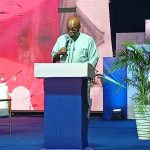
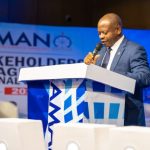
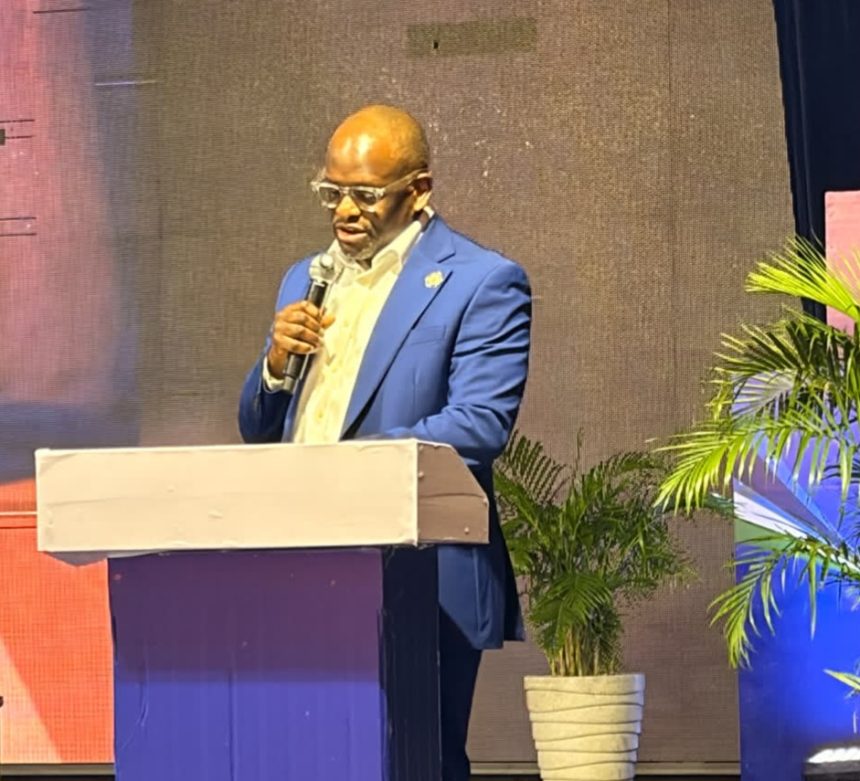
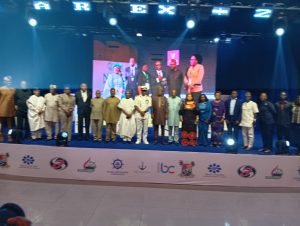
The Special Adviser to the Lagos State Governor on Blue Economy, Mr Oluwadamilola Emmanuel, disclosed this in an interview at the Nigerian Maritime Conference and Exhibition (NIMAREX) 2026, held at the Oriental Hotel, Victoria Island, Lagos.
Emmanuel explained that the Omi Eko project, currently at the design stage, would involve the deployment of more than 75 electric ferries, construction of jetties and terminals, dredging of approximately 140 kilometres of inland waterways and capacity-building initiatives.
He said the project would change the narrative surrounding the underutilisation of Lagos waterways by providing an efficient and sustainable alternative to road transportation.
Emmanuel explained that the project would move from the design stage to bidding, procurement and eventual implementation, describing it as a major intervention in the state’s efforts to harness its aquatic resources for economic development.
Speaking on Lagos State’s long-term vision for the Blue Economy, the Special Adviser said the government was adopting a collaborative approach with the Federal Government to ensure effective implementation of existing national policies.
He explained that the state would not develop a separate policy framework but would identify relevant components of the Federal Government’s Blue Economy policy and implement those that align with Lagos’ peculiar needs and economic opportunities.
“For us, it is about working in tandem. There is no need to reinvent the wheel. The Federal Government already has a policy, and the state government is there to implement it. We will identify the different sub-components of that policy and basically implement them,” he said.
On employment opportunities, Emmanuel disclosed that hundreds of jobs were already being sustained across the Blue Economy sector, particularly within the informal economy.
He, however, projected that employment opportunities would increase significantly as the state develops key areas such as inland water transportation, fisheries, inland port development, coastal tourism and coastal communities.
He identified maritime education and skills development as essential to achieving sustainable growth, stressing the need for collaboration with maritime training institutions to equip young people with the technical knowledge and competencies required to participate effectively in the sector.
According to him, formalising activities within the informal maritime economy would create greater opportunities for investment, business development and employment, potentially generating thousands of jobs.
“Right now, we have seen hundreds of jobs, mainly in the informal sector. But as we formalise things and continue developing the various sectors, we will see thousands of jobs being created,” he stated.
Addressing environmental challenges, including flooding, plastic pollution, coastal erosion and illegal dredging, Emmanuel said the state government was combining technology, environmental policies and public awareness campaigns to protect its marine resources.
He noted that the Ministry of the Environment was actively addressing coastal erosion and flooding, while the government was deploying technological solutions to identify and predict areas vulnerable to flooding.
He also stressed the importance of maintaining functional drainage systems and preventing indiscriminate waste disposal, which contributes significantly to blocked drainage channels and flooding.
The Special Adviser added that the government was strengthening public sensitisation and encouraging residents to comply with environmental regulations and proper waste-management practices.
He maintained that economic activities within the Blue Economy must not undermine environmental sustainability, stressing that protecting waterways and the coastal environment remained essential to preserving marine resources for future generations.
With the proposed Omi Eko project and plans to develop other Blue Economy subsectors, Lagos State is positioning its waterways, coastline and marine resources as strategic assets for economic diversification, sustainable transportation and employment generation.