




By Sandra Chukwunyere
Stakeholders across Nigeria’s maritime industry have called for stronger protection, improved welfare and sustained investment in seafarers, acknowledging their vital role in driving global trade and supporting economic growth.
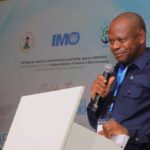
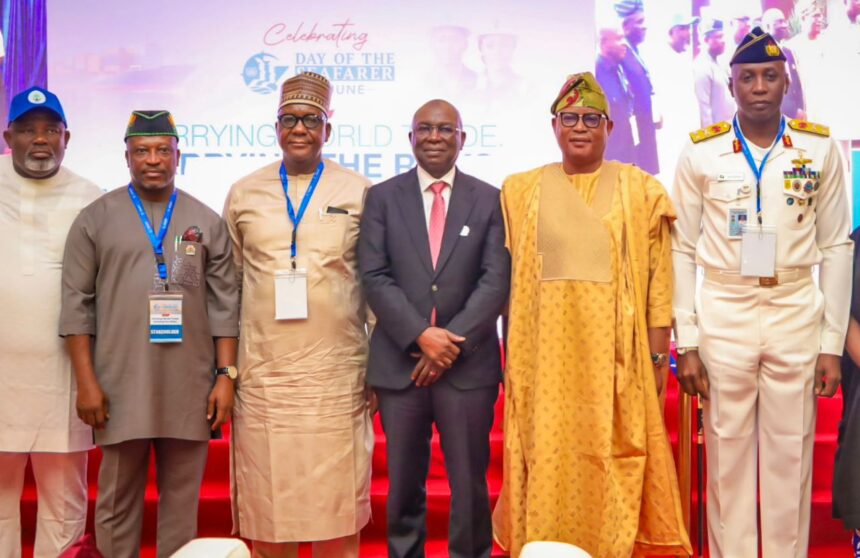
The appeal was made during the 2026 Day of the Seafarer celebration organised by the Nigerian Maritime Administration and Safety Agency (NIMASA) in Lagos.
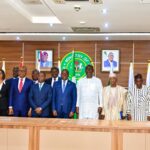
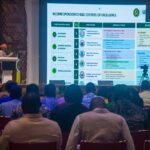
Held under the theme, “Carrying World Trade, Carrying the Risk,” the event brought together lawmakers, government officials, maritime regulators, security agencies, labour unions and industry operators to honour seafarers and discuss ways to improve their welfare and working conditions.
Chairman of the Senate Committee on Marine Transport, Senator Wasiu Sanni Eshinlokun, described the theme as timely, noting that it reflects the sacrifices made daily by seafarers in keeping global trade moving.
He assured that the National Assembly would continue to support legislation aimed at improving maritime safety, promoting indigenous shipping, advancing maritime education and safeguarding the welfare of seafarers.
According to him, Nigerian seafarers deserve policies that guarantee their safety, career development and competitiveness in the international shipping industry.
In his keynote address, the Minister of Marine and Blue Economy, Adegboyega Oyetola, represented by the Director of Maritime Safety and Security in the Ministry, Mr. Makoji Musa, reaffirmed the Federal Government’s commitment to protecting seafarers, promoting decent work and strengthening Nigeria’s maritime workforce under the Blue Economy agenda.
The Minister said seafarers remain the backbone of international trade, adding that the government would continue to implement policies that improve their welfare, enhance their skills and create greater opportunities for them in the global maritime labour market.
Welcoming participants, the Director-General of NIMASA, Dr. Dayo Mobereola, noted that although seafarers facilitate more than 80 per cent of global trade, many still face occupational hazards, security threats and long periods away from their families.
He said the Agency remains committed to implementing the Maritime Labour Convention (MLC) 2006 and strengthening the Nigerian Seafarers Development Programme (NSDP), through which over 2,459 cadets have been trained.
Dr. Mobereola also disclosed that the adoption of the International Transport Workers’ Federation/International Labour Organization International Wage Scale into the Conditions of Service for Nigerian seafarers has led to wage increases of more than 150 per cent.
He stressed that NIMASA would continue to prioritise the welfare and professional development of Nigerian seafarers, noting that a resilient maritime industry depends on a motivated, skilled and adequately protected workforce.
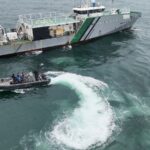
Representing the Chief of the Naval Staff, the Flag Officer Commanding, Western Naval Command, Rear Admiral Abdullahi Mustapha, commended Nigerian seafarers for their contributions to national and international commerce.
He assured stakeholders of the Nigerian Navy’s continued partnership with NIMASA to secure the country’s maritime domain and support safe and efficient maritime operations.
Also speaking, President-General of the Maritime Workers Union of Nigeria (MWUN), Comrade Francis Bunu, praised NIMASA for its sustained efforts to improve the welfare and working conditions of Nigerian seafarers.
He said the Agency’s interventions have continued to strengthen the capacity and global competitiveness of the nation’s maritime workforce.
The event ended with stakeholders reaffirming their commitment to supporting NIMASA’s initiatives to improve maritime safety, develop human capacity and enhance the welfare of seafarers as Nigeria works towards becoming a leading maritime nation.