





Olumekun Olubunmi raises concerns over vessel booking difficulties, cargo rollovers, delays, rising storage charges and operational bottlenecks threatening export competitive.

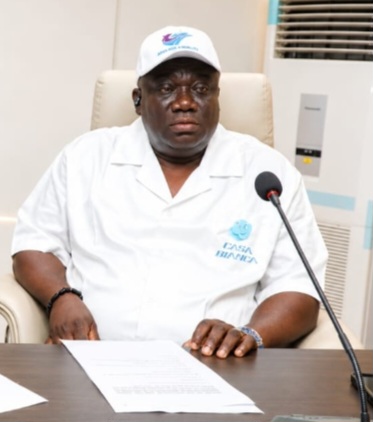
The President of the Association of West African Exporters and Maritime Professionals (AWAEMAP), Hon. Olumekun Olubunmi, has warned that Nigeria’s export trade is gradually returning to the difficult conditions of the “Egypt days” due to growing operational challenges at the nation’s ports.
Olubunmi said persistent difficulties involving port operations, terminal services and shipping line activities were making it increasingly difficult for exporters to move their cargo out of the country.
According to a statement signed by the association, the AWAEMAP president expressed concern that the challenges could reverse the progress Nigeria had made in improving its export trade.
He described the situation as a worrying development, noting that exporters should concentrate on producing quality goods and meeting international market demands rather than struggling with the processes involved in shipping their products.
“When a journey that was once difficult becomes easier, only for travellers to begin experiencing the same obstacles again, it is a sign that something is going wrong. That is where our export trade appears to be heading. We are gradually going back to the Egypt days,” he said.
He added that Nigeria could not afford to return to an era when exporting goods involved excessive difficulties, uncertainty and frustration.
Among the major challenges he identified were difficulties with vessel bookings, cargo rollovers, delays in cargo acceptance and processing, prolonged waiting periods and rising storage charges.
He said these operational bottlenecks continued to increase the cost and time required to move export cargo through the nation’s ports.
The AWAEMAP president warned that the consequences extended beyond individual exporters, as the challenges could weaken the competitiveness of Nigerian products in international markets.
He also noted that the difficulties could discourage investment in export-oriented businesses and undermine Nigeria’s efforts to expand non-oil exports as a major contributor to economic development.
Olubunmi’s concerns come at a time when Nigeria is seeking to strengthen its export base, improve foreign exchange earnings and expand its participation in international trade.
He stressed that efficient port operations and reliable shipping services remained essential to achieving these objectives.
According to him, the export value chain requires effective coordination among stakeholders, predictable shipping arrangements, efficient terminal operations, reasonable charges and timely cargo movement.
He maintained that without these essential conditions, the cost of doing business would continue to rise, leaving exporters to bear the consequences of operational inefficiencies.
The AWAEMAP president called for renewed attention from relevant government institutions and stakeholders in the maritime industry to address the difficulties confronting exporters.
He emphasised that improving the export environment required more than policy pronouncements, urging practical measures that would tackle the everyday operational challenges facing businesses.
He further noted that Nigeria had the products, resources and entrepreneurial capacity to compete effectively in the global export market.
However, he stressed that the country also needed an efficient maritime system that would enable exporters to deliver their products to international destinations without unnecessary obstacles.
Olubunmi warned that the major concern was not only the difficulties exporters currently faced but also the possibility of losing the progress already achieved if the challenges persisted.
He maintained that Nigeria’s export sector must continue to move forward rather than return to the difficult conditions it had worked hard to overcome.