


By Sandra Chukwunyere
Nigeria’s inefficient logistics system is draining an estimated N5 trillion from the economy every year, with between 30 million and 40 million metric tonnes of food lost before reaching consumers due to poor transportation and supply chain challenges, stakeholders have warned.
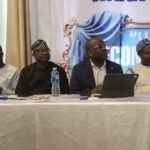
The alarm was raised on Thursday at the 10th Anniversary Lecture of City Business News in Lagos, where experts from the transport, logistics and road safety sectors called for sweeping reforms to reverse the country’s worsening logistics crisis. The event was themed, “Logistics as the Engine Room of Nigeria’s Economy.”
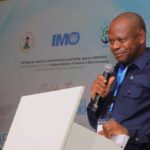
Delivering the keynote address, the President of the Chartered Institute of Logistics and Transport (CILT) and former Corps Marshal of the Federal Road Safety Corps (FRSC), Dr. Boboye Oyeyemi, said Nigeria’s weak transport infrastructure, multiple road checkpoints, rising fuel costs and inconsistent government policies have continued to hamper the efficient movement of goods, particularly agricultural produce.
According to him, the country’s logistics inefficiencies account for post-harvest losses valued at between $2.3 billion and $3.3 billion annually, translating to approximately N3.5 trillion to N5 trillion in economic losses every year.
Oyeyemi noted that despite its strategic importance to national development, the logistics sector contributes only 3.73 per cent to Nigeria’s Gross Domestic Product (GDP), largely because of persistent structural challenges.
He explained that the agricultural sector has been the hardest hit, with as much as 40 per cent of farm produce wasted before reaching markets due to poor road infrastructure and inadequate logistics systems.
“The Middle Belt is the food basket of the nation. To move goods from the Middle Belt to Lagos, about 40 per cent of them rot before reaching the market,” he said.
Beyond poor infrastructure, Oyeyemi identified rising diesel prices and widespread extortion on Nigerian highways as major factors driving up logistics costs.
He disclosed that transport operators spend between N150,000 and N250,000 on illegal payments at multiple checkpoints during a single trip, adding that the practice significantly increases the cost of transporting goods across the country.
To tackle the challenges, Oyeyemi urged the Federal Government to dismantle illegal road checkpoints, subsidise Compressed Natural Gas (CNG) to reduce transportation costs and encourage the adoption of a dual-fuel system that would enable logistics operators to run vehicles on both petrol and gas.
He also advocated the appointment of a Coordinating Minister for Transportation to harmonise policies across the various transport sub-sectors and improve coordination within the industry.
The CILT President further called for the restoration of weighbridges on major highways to prevent overloading by haulage operators, warning that excessive axle loads are responsible for the rapid deterioration of newly constructed roads.
Also speaking, the Founder of ABC Transport Plc, Sir Frank Nneji, lamented what he described as decades of inadequate government attention to the road transport sector.
He argued that while the aviation industry enjoys significant investment and regulatory oversight to guarantee passenger safety, millions of Nigerians who depend on road transportation daily continue to contend with poor infrastructure and growing security challenges.
“The government should pay more attention to road redevelopment. They should hand off road development and concession some of the major roads,” Nneji said.
He also expressed concern over the worsening security situation on Nigerian highways and urged the government to strengthen measures to protect commuters and transport operators.
Responding to concerns over road safety, the Corps Marshal of the Federal Road Safety Corps (FRSC), Shehu Mohammed, assured stakeholders that the Corps remains committed to improving safety on Nigerian roads through strategic partnerships with private organisations and stricter enforcement of traffic regulations.
Mohammed said the FRSC would continue to intensify public enlightenment campaigns and enforcement activities aimed at reducing road crashes and ensuring the safer movement of people and goods across the country.
On gender inclusion, the President of Women in Logistics and Transport (WiLAT), Mrs. Khadijat Sheidu-Sabi, whose address was delivered by Mrs. Fatima Jatto of the Nigerian Ports Authority (NPA), stressed that greater participation of women is critical to the future growth of the logistics industry.
She noted that women are increasingly occupying leadership positions and influencing policy decisions across the sector, stressing that inclusion and empowerment must remain a priority for sustainable development.
“It is important to recognise and celebrate the increasingly significant role of women in the logistics sector. Today, women are leading organisations and shaping policies. Inclusion and empowerment of women must remain a priority, as this will significantly contribute to the sustainability of the sector,” she said.
Stakeholders at the anniversary lecture unanimously agreed that unless the Federal Government creates a more enabling operating environment, protects investments in road infrastructure and ensures policy consistency, Nigeria’s logistics sector will continue to impede economic growth.
They maintained that improving logistics efficiency is essential to reducing food inflation, strengthening supply chains, boosting agricultural productivity and unlocking Nigeria’s full economic potential.