


By Sandra Chukwunyere
The Senate Committee on Customs and Excise has praised the ongoing reforms within the Nigeria Customs Service (NCS), describing them as a clear demonstration of the Service’s commitment to modernisation, improved efficiency and responsible use of public resources.
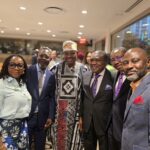
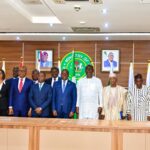
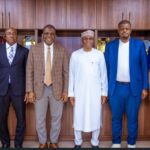
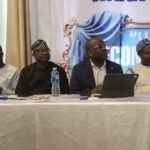
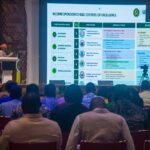
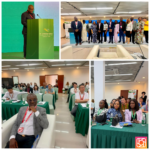
The commendation followed a two-day retreat held in Abuja between the NCS and members of the Senate Committee, aimed at strengthening collaboration and reviewing key provisions of the Nigeria Customs Service Act.
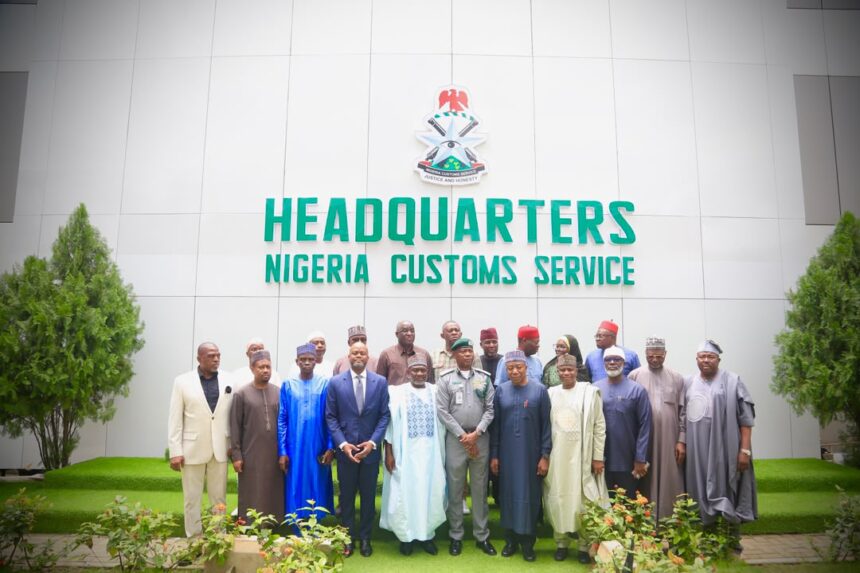
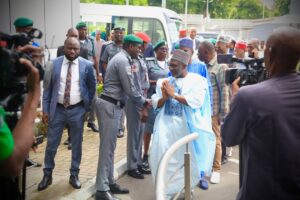
As part of the engagement, lawmakers visited the Customs House in Maitama, where they received briefings on several reform initiatives, including the deployment of technology to enhance operations, improve service delivery and strengthen enforcement activities.
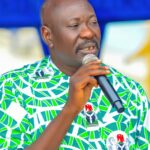
Chairman of the Senate Committee on Customs and Excise, Senator Isah Jibrin, said the visit provided members of the Committee with firsthand insight into the transformation taking place within the Service.
He noted that while many of the reforms had previously been discussed in reports and presentations, seeing them in operation offered a clearer appreciation of the progress achieved.
According to him, the deployment of technology, investment in modern infrastructure and introduction of innovative operational systems have significantly repositioned the Service to perform its statutory responsibilities more effectively.
Senator Jibrin further stated that the experience had given lawmakers greater confidence in the utilisation of funds allocated to the agency, stressing that the reforms reflected deliberate investments aimed at strengthening Customs operations, facilitating trade and boosting government revenue.
Speaking during the session, the Comptroller-General of Customs, Adewale Adeniyi, said technology remains central to the Service’s transformation strategy.
He explained that the digitalisation process began with internal administrative functions, including personnel management, postings and pension administration, before being extended to operational areas critical to Customs responsibilities.
Adeniyi said the goal is to ensure that virtually every aspect of Customs operations benefits from modern technological solutions that improve efficiency, transparency and accountability.
The Customs boss also highlighted the introduction of advanced tools to support enforcement activities, including virtual shooting simulators, geospatial intelligence systems and digital surveillance technologies.
According to him, the Service is leveraging geospatial intelligence to improve patrol planning and optimise the deployment of checkpoints across the country, while modern training facilities are helping to build the capacity of officers to meet evolving security and trade challenges.
He added that many of the ongoing reforms are anchored on the provisions of the Nigeria Customs Service Act, which mandates the modernisation of Customs operations.
Adeniyi cited initiatives such as the Authorised Economic Operator Programme, Advance Ruling system, Time Release Study and scanner deployment as key components of the Service’s modernisation agenda designed to support trade facilitation and align with the Federal Government’s broader economic reform objectives.
The retreat forms part of ongoing efforts to deepen cooperation between the legislature and the Nigeria Customs Service while ensuring that reforms within the agency continue to receive the necessary legal and institutional support.