





By Sandra Chukwunyere
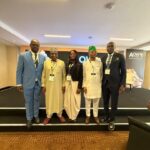
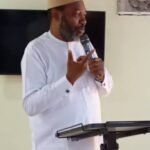
The Grand Master of the Rosicrucian Order in Nigeria and West Africa, Frater Engineer Eugenius Idiodi, has emphasized the need for Nigerians to move away from rhetoric and embrace responsibility in order to challenge the prevailing culture of entitlement without accountability.
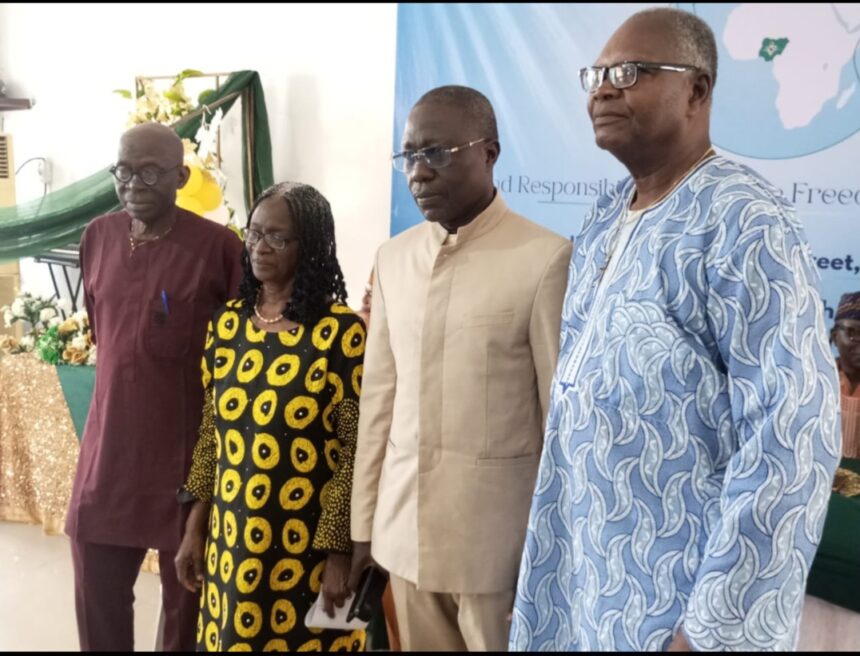
He made this statement while declaring open the Western Zonal Conclave of the Order, themed “Unity and Responsibility: Pathway to Freedom and National Progress,” held in Lagos.
Frater Idiodi described the conclave as timely and apt, noting that it was convened to address critical issues of unity and national progress. He explained that the gathering came at a crucial moment in the nation’s life, when conversations about progress abound, yet clarity of direction remains uncertain.
According to him, while Nigerians often speak of freedom, it is important to ask: freedom for what, and guided by whose responsibility?
He noted that it is easy to demand change from institutions, government, and leaders, but far more difficult—and necessary—to confront the deeper question of whether individuals and society have cultivated the discipline, integrity, and moral courage required to sustain that change.
He called for honest reflection, urging participants to confront uncomfortable truths and reconsider whether national stagnation is merely systemic, cultural, or even spiritual.
Frater Idiodi stressed that the conclave should not be merely ceremonial but should serve as a strategic intervention in both consciousness and conduct.
“No nation rises above the character of its people,” he said, adding that while policies may initiate direction, it is values that sustain momentum. Where responsibility is weak, unity fractures and progress stalls, though there remains cause for optimism among the people.
He further noted that the Rosicrucian tradition teaches that transformation begins within and radiates outward through disciplined thought, ethical action, and conscious service, with individuals acting as catalysts for collective renewal.
“That is why initiatives such as Medifocus and civic engagement sessions embedded within the conclave are not symbolic but operational, representing a deliberate effort to align inner development with outer impact,” he added.
Frater Idiodi pledged the Order’s continued commitment to fostering platforms that provoke thought, inspire action, and bridge the gap between spiritual ideals and national realities.
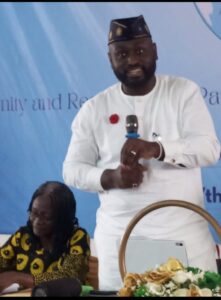
He expressed confidence that Nigeria’s future would be secured not by louder voices, but by clearer minds, stronger character, and shared responsibility.
He urged participants to ensure that the seminar serves as a moment to challenge complacency, inspire service, and redefine what it truly means to be free.
In his welcome address, the Royal Father, Frater Babatope Ogunewe, described the conclave as a national summons to all who seek societal advancement and the elevation of humanity.
He stated that no nation becomes great by policies, institutions, or resources alone, but by the character of its people, clarity of vision, and unity of purpose.
According to him, true freedom is not merely political expression or the absence of visible chains, but the liberation of the mind from division, the heart from selfishness, and society from injustice and indifference.
He added that national progress is not a gift of chance but the result of conscious living, disciplined responsibility, and enlightened cooperation among citizens and leaders.
Frater Ogunewe emphasized that shared responsibility places a duty on every citizen, institution, and community to serve the common good, describing responsibility as not just civic, but spiritual.
“Every action we take either strengthens or weakens the fabric of the nation,” he said.
Speaking on responsible citizenship, he urged Nigerians to rise above narrow personal interests and embrace service to society, noting that in lifting others, the nation is lifted.
He described leadership as stewardship—a sacred trust—adding that enlightened leadership must be matched by enlightened followership for meaningful progress.
Also speaking, the Grand Councillor Designate, Frater Gabriel Idahosa, stressed that unity of purpose is essential for enduring peace and progress, warning that where division persists, progress falters.
He cited the example of Boko Haram insurgents, attributing their actions partly to a lack of early home training and foundational values.
He expressed optimism that the conclave would inspire reflection, deepen commitment to responsible citizenship, and renew collective resolve toward national development.
In his contribution, Frater Taiye Olaniyi referenced the legacy of the late Chief Obafemi Awolowo, highlighting his pursuit of an egalitarian society built on excellence, unity, and progress.
Frater Henry Atobrison noted that personal responsibility requires individuals to be accountable for their words, actions, and choices, as well as their consequences.
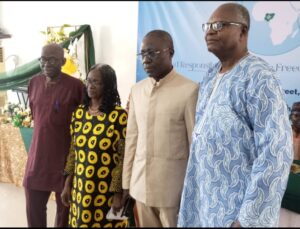
A representative of the National Orientation Agency, Assistant Director of Health and Social Care, Mrs. Adegoke Ologungbe, called for the renewal of societal values and advocated for community parenting as a means of addressing moral decadence and juvenile delinquency among children and youths.
The high point of the conclave was a Medifocus session dedicated to national peace, progress, and development.
John Obot, FRCN.