


By Sandra Chukwunyere
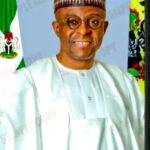
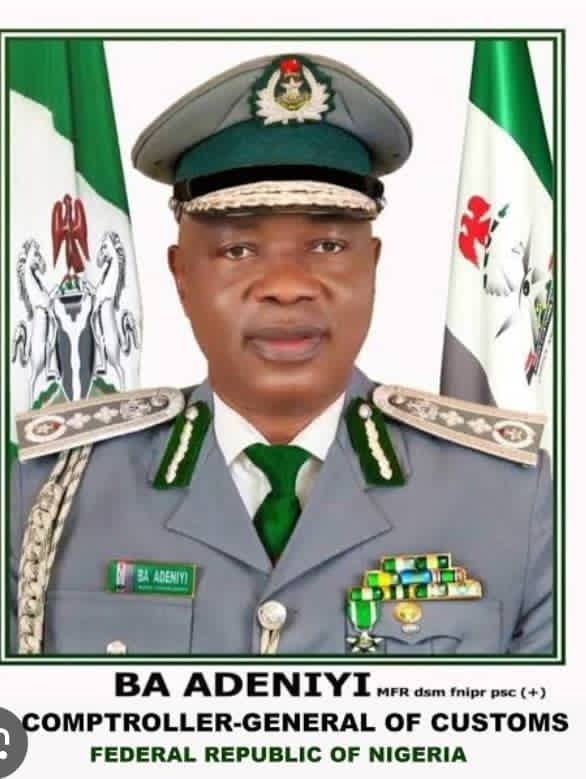
The Comptroller General of the Nigeria Customs Service, Bashir Adewale Adeniyi, has commissioned a modern four-block classroom complex at the Medium Security Custodial Centre, Kirikiri, Lagos.
- Advertisement -
The facility, delivered under the Customs Service’s corporate social responsibility initiative, includes four air-conditioned classrooms, a library, an ICT centre, and a borehole.
Adeniyi stated that the project represents a shift in how national institutions approach security and correction, emphasizing that true security goes beyond enforcement to include rehabilitation and investment in people.
He noted that education is a key instrument of correction, equipping inmates with knowledge and skills to lead productive lives.
“This project represents more than infrastructure. It represents belief. Belief in a second chance. Belief in rehabilitation. Belief in the power of education to transform lives,” Adeniyi said, emphasizing the significance of the project.
Adeniyi added, “True security goes beyond enforcement. It requires investment in people. It demands that we strengthen institutions that reform, rebuild and reintegrate individuals into society. Education remains one of the most effective instruments of correction, and inmates equipped with knowledge and skills are less likely to return to crime and more likely to contribute productively upon release.”
Assistant Comptroller General of Customs, Joy Edeldouk, initiated the project during her tenure as Customs Area Controller of Kirikiri Lighter Terminal Command. Her vision for the project was to provide a conducive learning environment for inmates, enhancing their chances of rehabilitation and reintegration into society.
Edeldouk’s efforts were part of the Customs Service’s broader commitment to corporate social responsibility, focusing on education and human capital development. The project demonstrates the Service’s dedication to supporting institutions that rebuild lives.
The Controller of Corrections, Lagos State Command, Daramola George, described the intervention as historic and transformative. “Correction goes beyond custody. It must include education, rehabilitation and reintegration. This intervention is a testament to the power of collaboration and visionary leadership,” he said.
George commended the Nigeria Customs Service for its leadership and vision, acknowledging the efforts of the Comptroller General and his team in making the project a reality, and emphasizing the importance of continued collaboration in enhancing correctional services.
The Comptroller General of the Nigeria Customs Service, Bashir Adewale Adeniyi, has commissioned a modern four-block classroom complex at the Medium Security Custodial Centre, Kirikiri, Lagos.
The facility, delivered under the Customs Service’s corporate social responsibility initiative, includes four air-conditioned classrooms, a library, an ICT centre, and a borehole.
Adeniyi stated that the project represents a shift in how national institutions approach security and correction, emphasizing that true security goes beyond enforcement to include rehabilitation and investment in people.
He noted that education is a key instrument of correction, equipping inmates with knowledge and skills to lead productive lives.
“This project represents more than infrastructure. It represents belief. Belief in a second chance. Belief in rehabilitation. Belief in the power of education to transform lives,” Adeniyi said, emphasizing the significance of the project.
Adeniyi added, “True security goes beyond enforcement. It requires investment in people. It demands that we strengthen institutions that reform, rebuild and reintegrate individuals into society. Education remains one of the most effective instruments of correction, and inmates equipped with knowledge and skills are less likely to return to crime and more likely to contribute productively upon release.”
Assistant Comptroller General of Customs, Joy Edeldouk, initiated the project during her tenure as Customs Area Controller of Kirikiri Lighter Terminal Command. Her vision for the project was to provide a conducive learning environment for inmates, enhancing their chances of rehabilitation and reintegration into society.
Edeldouk’s efforts were part of the Customs Service’s broader commitment to corporate social responsibility, focusing on education and human capital development. The project demonstrates the Service’s dedication to supporting institutions that rebuild lives.
The Controller of Corrections, Lagos State Command, Daramola George, described the intervention as historic and transformative. “Correction goes beyond custody. It must include education, rehabilitation and reintegration. This intervention is a testament to the power of collaboration and visionary leadership,” he said.
George commended the Nigeria Customs Service for its leadership and vision, acknowledging the efforts of the Comptroller General of the Nigeria Customs Service and his team in making the project a reality, and emphasizing the importance of continued collaboration in enhancing correctional Services.