






Raises concerns over industry rivalries, calls for effective Cabotage implementation, improved access to financing and increased indigenous fleet capacity.
By Sandra Chukwunyere
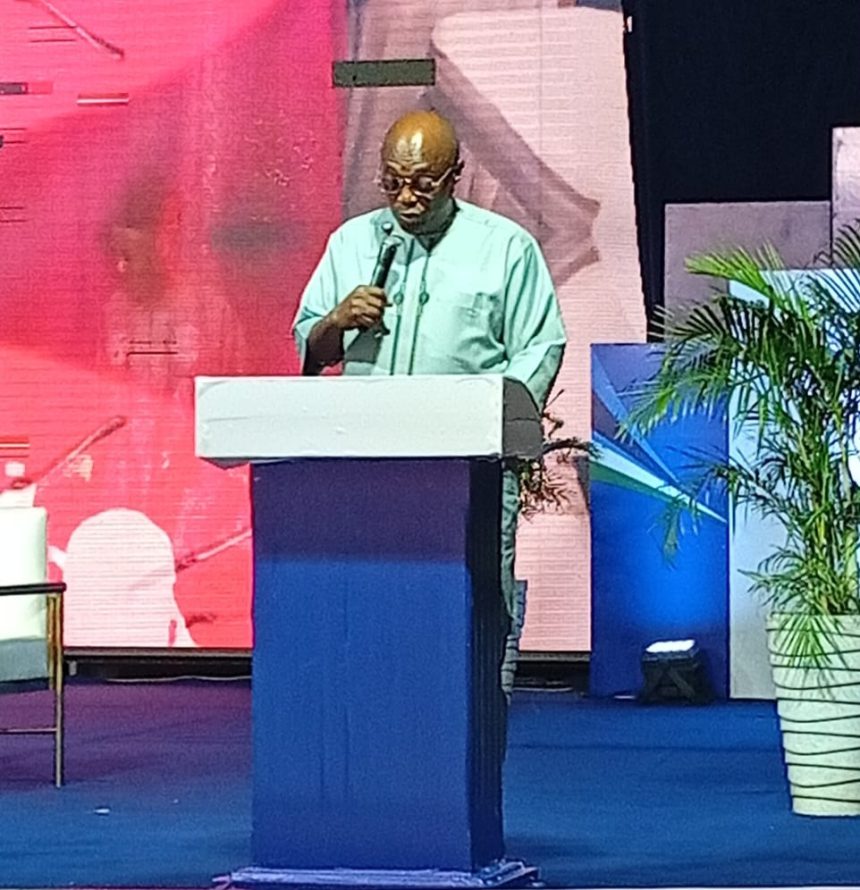
The Chairman of the Planning Committee of the 2026 Nigeria Maritime Expo (NIMAREX) and President of the Nigerian Shipowners Association (NISA), Otunba Sola Adewumi, has called for policy reforms and stronger strategic partnerships to revive indigenous shipping and position Nigeria as a globally competitive maritime nation.
Adewumi said Nigeria must address the gradual decline of indigenous shipping, inadequate access to financing, policy inconsistencies, high operating costs and regulatory bottlenecks to unlock the country’s maritime potential.
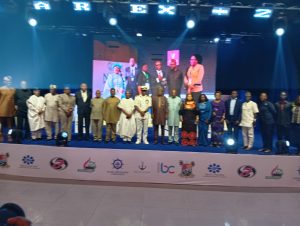
He made the call in his welcome address at the 2026 NIMAREX, held on Tuesday, November 17, at Oriental Hotel, Lagos, with the theme, “Strengthening Strategic Partnership for a Globally Competitive Blue Economy.”
NISA President noted that Nigeria’s participation in vessel ownership and operation remained below expectations despite its enormous maritime potential and substantial international trade volume.
Adewumi said a strong indigenous shipping fleet would enable Nigerian vessels to carry the country’s cargo, create employment opportunities for seafarers and generate wealth for the economy.
“We must move beyond being merely a market for international shipping services to becoming a significant participant in the global shipping business,” he said.
The NISA President also identified personal interests, individual ambitions and institutional rivalries as major obstacles to the industry’s collective progress.
He urged stakeholders to put their differences aside and work together, stressing that the maritime industry was bigger than any individual, association or institution.
On the role of government, Adewumi called for deliberate policies, affordable long-term financing, effective implementation of the Cabotage Act, improved infrastructure and an enabling regulatory environment to support indigenous shipping development.
He specifically urged the government to ensure that the Cabotage Vessel Financing Fund translates into increased indigenous fleet capacity and stronger Nigerian shipping companies.
Adewumi commended President Bola Ahmed Tinubu for establishing a dedicated Ministry of Marine and Blue Economy, expressing the expectation that the initiative would deliver measurable improvements in maritime investment, employment, indigenous shipping and Nigeria’s participation in the global maritime economy.
He, however, stressed that government policies and initiatives could only achieve their full potential through genuine collaboration with the private sector.
Addressing concerns about industry-led initiatives, Adewumi defended NIMAREX as a platform conceived to promote engagement, investment, collaboration and the advancement of Nigeria’s maritime industry.
He expressed disappointment over developments suggesting that some individuals within institutions that should support the platform were promoting competing exhibitions and initiatives that could undermine existing industry efforts.
While acknowledging the importance of healthy competition, he distinguished legitimate private-sector competition from the use of public office, institutional influence or government resources to undermine private-sector initiatives.
“Government should be a facilitator of private enterprise, not a competitor with the very businesses and industry platforms it is expected to support,” he said.
He appealed to the Minister of Marine and Blue Economy and the ministry to promote collaboration rather than rivalry, strengthen existing industry platforms and encourage private-sector initiatives.
According to him, NIMAREX is not an adversary of government but a partner in national maritime development.
Adewumi further urged participants to use the two-day expo to develop practical solutions to the industry’s challenges, particularly rebuilding indigenous shipping capacity, attracting investment into vessel acquisition, improving access to maritime financing and strengthening the regulatory framework.
He also emphasised the need to develop human capital and strengthen cooperation among shipowners, maritime associations, government agencies, financial institutions and international partners.
“Nigeria cannot achieve a globally competitive blue economy without a strong indigenous shipping industry,” he stated.
The NISA President appreciated the sponsors, exhibitors, speakers, partners and participants for supporting the 2026 edition of NIMAREX.
He particularly commended the Nigerian Shipowners Association for sustaining the vision of the expo and providing a united platform for maritime stakeholders to address industry challenges.
He also acknowledged the Planning Committee’s dedication and sacrifices in organising the event.
Adewumi urged stakeholders to prioritise the collective interest of the maritime industry above personal considerations, expressing hope that the deliberations would produce meaningful resolutions, stronger partnerships and renewed commitment to rebuilding Nigeria’s maritime sector.