





By Sandra Chukwunyere
The Nigerian Content Development and Monitoring Board (NCDMB) and the Dangote Group have urged oil and gas industry stakeholders to move beyond regulatory compliance and strengthen local supply chains, technology transfer and sustainable financing to accelerate Nigerian content development.
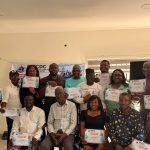
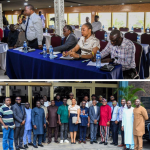
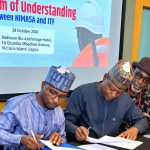
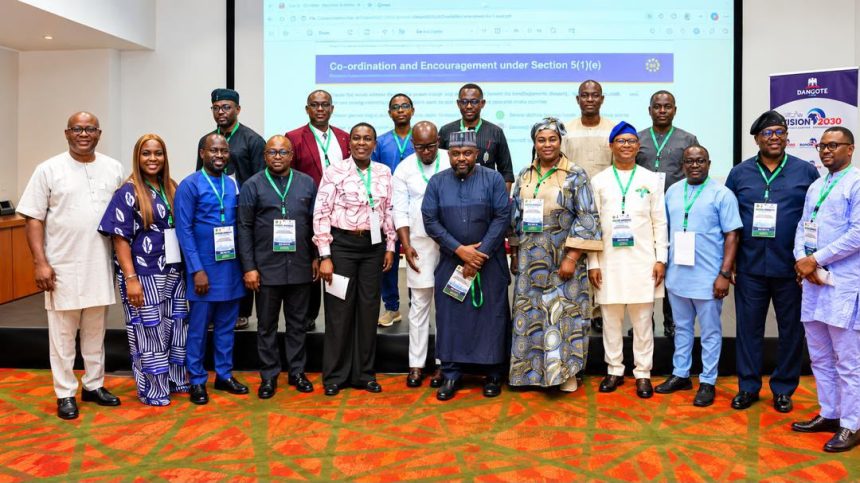
They made the call at a strategic retreat of the NCDMB/Dangote Joint Technical Committee (JTC) in Lagos on Friday, October 16, 2026, under the theme, “Beyond Compliance: Partnering for Sustainable Nigerian Content Development.”
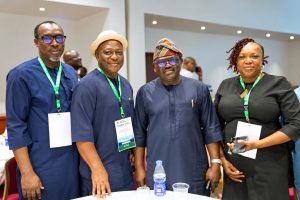
According to a statement signed by Obinna Ezeobi, PhD, General Manager, Corporate Communications Division, NCDMB, the retreat brought together oil and gas stakeholders and government representatives to address operational challenges and expand indigenous participation across Nigeria’s energy value chain.
In his keynote address, the Executive Secretary of NCDMB, Engr. Felix Omatsola Ogbe, represented by Senior Technical Adviser Engr. Austin Uzoka, identified commitment, technology and financing as critical to building a sustainable Nigerian content ecosystem. Uzoka’s exact official designation should be confirmed before publication.
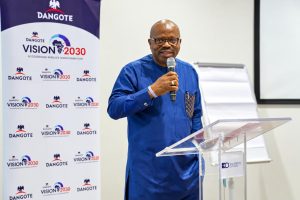
Ogbe urged stakeholders to develop local capabilities that would sustain major industrial facilities, including the Dangote Refinery, and prevent economic benefits from flowing outside Nigeria through dependence on foreign suppliers and expertise.
He stressed that Nigeria must develop credible domestic supply chains, strengthen technical expertise and ensure that local businesses can provide the goods, works and services required to maintain industrial facilities.
The NCDMB executive secretary also identified high interest rates and delays in accessing funds as major constraints facing indigenous businesses. He urged stakeholders to support Nigerian investors seeking to establish refineries and other industrial facilities.
He acknowledged the Dangote Group’s contribution to industrial development and called for stronger support for emerging indigenous industrialists.
In a separate presentation, the Director of Planning, Research and Statistics and Chairman of the NCDMB/Dangote Joint Technical Committee, Mr Omomehin Ajimijaye, urged contractors, vendors and service providers within the Dangote business ecosystem to comply with Nigerian content requirements and register on the Nigerian Oil and Gas Industry Joint Qualification System (NOGICJQS).
Ajimijaye identified Nigerian content planning, workforce localisation, local procurement and capacity development as the four key compliance requirements.
He explained that companies bidding for projects must submit Nigerian content plans, prioritise qualified Nigerians, procure locally available goods and services, and invest in skills development and technology transfer.
He added that companies could employ expatriates where genuine skills gaps existed but must work with the Board to establish those gaps and develop succession plans to prepare Nigerians to assume the positions.
Ajimijaye disclosed that NCDMB interventions had retained more than $10 billion in the Nigerian economy, generated over 50,000 direct and indirect jobs and supported more than 50 million man-hours of training. However, he said in-country value retention stood at approximately 61 per cent, below the 70 per cent target.
He called for stronger collaboration among regulators, operators and service providers to close the gap.
Earlier, Dangote Group’s Group Vice President, Dr Edwin Devakumar, urged industry players to treat Nigerian content as a national responsibility rather than a regulatory burden. He stressed that sustainable development required genuine commitment to building local productive capacity, transferring skills and growing indigenous contractors into businesses capable of executing increasingly complex projects.
The Director of Legal Services at NCDMB, Dr Naboth Onyesoh, called for better coordination among regulatory agencies, saying investment promotion and free-zone incentives did not exempt operators from applicable federal laws.
He reaffirmed the importance of the Nigerian Oil and Gas Industry Content Development Act, 2010, in promoting indigenous participation, technology transfer, employment and domestic value retention.
Onyesoh also highlighted the Nigerian Content Intervention Fund’s support for indigenous maritime capacity, including vessel acquisition. He disclosed that the fund was partnering with Nigeria LNG Limited on a shipyard project at Snake Island.
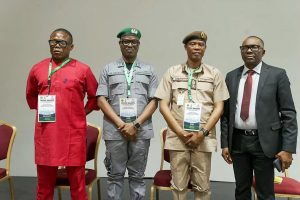
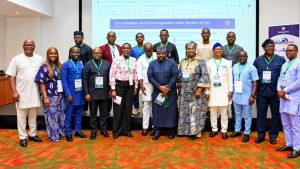
The Alternate Chairperson of the NCDMB/Dangote Joint Technical Committee, Dr Ebele Oputa, described the retreat as an opportunity for stakeholders to work towards placing Nigerians at the centre of industrial development.